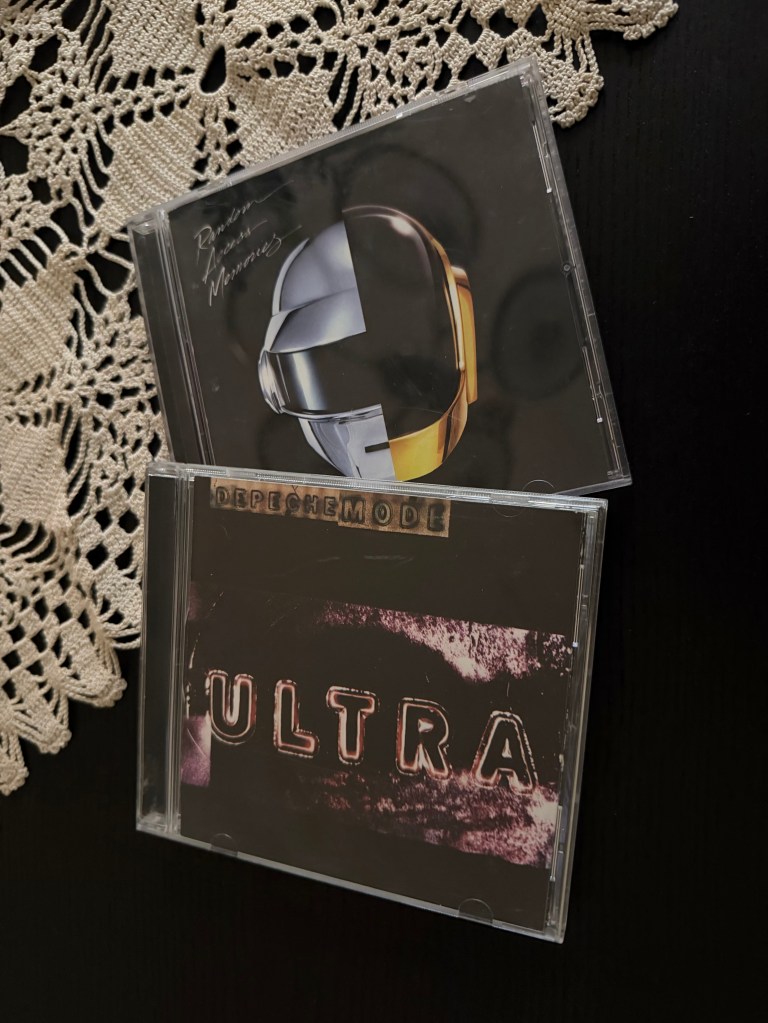
Great album. I had this one on repeat the whole month. Ultra has a darker, heavier feel than some of their earlier work, and that is exactly what draws me in. It feels more introspective, more grounded, and more serious.
There is a weight to this album. You can hear it in the production and in the tone of the songs. It is not trying to be catchy for the sake of it. It builds slowly and stays with you. The atmosphere is consistent from start to finish.
What I like most is how personal it feels. There is a sense that this album comes from a real place. It is not just sound, it is mood and experience. That makes it more than just a collection of tracks.
I kept coming back to it throughout the month. It is one of those albums that works best when you listen to it all the way through. Not just a few songs, but the full experience.
⸻
Random Access Memories
by Daft Punk – 2013
Another great album. Also on rotation the whole month. Random Access Memories feels very different from most modern electronic music. It is more organic, more deliberate, and more focused on musicianship.
What stands out immediately is the sound. It is warm, detailed, and carefully constructed. You can hear the effort that went into every track. It is not rushed or overproduced. It feels intentional.
There is also a sense of nostalgia running through the album. It looks back at earlier styles and influences but does not feel outdated. It blends old and new in a way that feels natural, not forced.
This is an album that rewards full listens. Like Ultra, it works best from start to finish. I kept going back to it, and it never felt repetitive. It holds up every time.
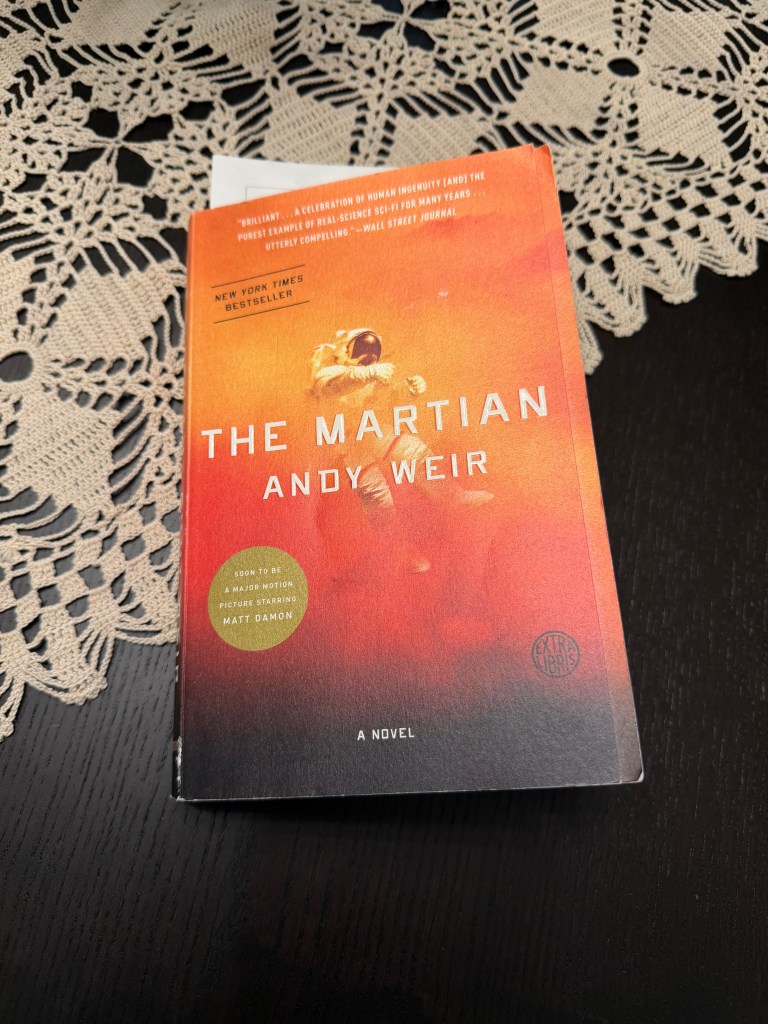
I really loved this book. It pulled me in right away and never let go. The writing is straightforward, but that is exactly what makes it work. There is no unnecessary complexity. Everything feels clear, sharp, and focused on the problem at hand.
What stood out the most for me is the technical side. I love that part of the book. The way problems are approached, broken down, and solved step by step makes it feel real. It is not just a story about being stranded. It is a story about thinking your way through impossible situations using knowledge and persistence.
The solitude of Mark Watney is another layer that makes the book powerful. He is alone, completely cut off, and yet the story never feels empty. His mindset, his humor, and his refusal to give up carry the entire narrative. That isolation is always there, but it never turns into despair. It turns into focus.
The book is also far better than the movie. Not even close. The movie is good, but it leaves out a lot of the detail and problem solving that make the story so compelling. The book gives you the full experience. Every challenge, every setback, every solution. That is what makes it so satisfying.
This book works because it feels believable. The science, the decisions, the reactions all feel grounded. It does not read like distant science fiction. It feels close enough to reality that you can imagine it happening. I really enjoyed it from start to finish.
This month felt a little different. None of these albums are necessarily the ones critics rush to place at the very top of each artist’s catalog, but all three mean something to me. That matters more here. These are the albums I reached for, listened to front to back, and connected with again.
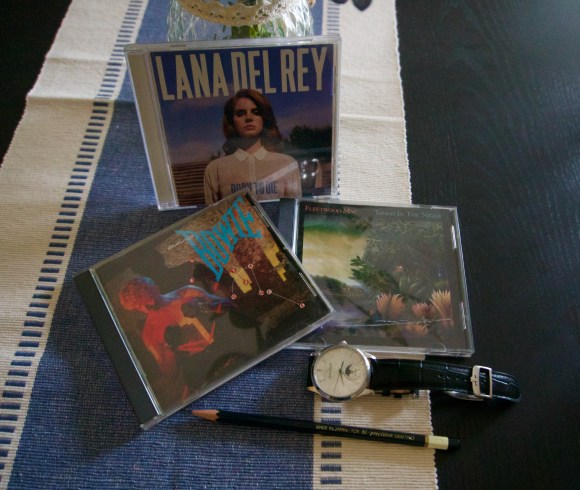
Born to Die
by Lana Del Rey
Amazing album. I love this album. I have been listening to Born to Die for years, and it still has the same hold on me. Some albums fade with time or lose their impact once the novelty is gone. This one never did. It still sounds rich, dramatic, and emotionally heavy in a way that immediately pulls me in.
There is something very distinctive about it. The mood is thick from the first track. It feels cinematic, sad, glamorous, and slightly dangerous all at once. Lana Del Rey created a world on this album, and whether you like that world or not, it is impossible to confuse it with anyone else.
What I appreciate most is that the album commits fully to its own sound. It does not seem interested in chasing trends or sounding polite. It leans into longing, excess, heartbreak, and performance, and somehow it works. That confidence is part of what makes it memorable.
I have lived with this album for years, and I still enjoy going back to it. That says enough. Some records are just part of your life once they arrive. For me, Born to Die is one of them.
Let’s Dance
by David Bowie
I know this is not considered Bowie’s best album, and that is fine. It still means a lot to me. Sometimes the album that matters most to you is not the one critics are supposed to admire the most. It is the one that found you at the right time and stayed there.
Let’s Dance has that effect on me. It is polished, stylish, and unapologetically of its time, but that is part of its charm. There is confidence in it, and a sense that Bowie knew exactly what he was doing. He could shift into a more commercial sound without losing his presence.
This album also carries strong visual memories for me. It is impossible for me to think about this period without remembering the young Nastassja Kinski in Cat People. That whole era had a look, a mood, and a kind of cool that still lingers. The music and the imagery are tied together in my mind.
So no, this may not be the Bowie album people are expected to pick first. I understand that. But it still means a lot to me, and that matters more. Personal connection wins over ranking every time.
Tango in the Night
by Fleetwood Mac
This is probably not the best Fleetwood Mac album either, but I love it. It has been with me for a long time, and I never get tired of hearing it. There is something immediate and emotional about it that keeps bringing me back.
What stands out is how smooth and polished it sounds without becoming cold. The production is big, layered, and unmistakably of its era, but the songs still carry real feeling. That balance is not easy to achieve. The album feels crafted, but not lifeless.
Seven Wonders and Everywhere are the two songs that always rise to the top for me. Both have that mixture of beauty, longing, and melody that Fleetwood Mac could do so well. They stay with you long after the album is over. They are the kind of songs that make you stop whatever you are doing and listen.
This may not be the record people point to first when they talk about Fleetwood Mac, but that does not matter much to me. I love it for what it is, not for where it lands in some ranking. Sometimes that is the better way to listen.
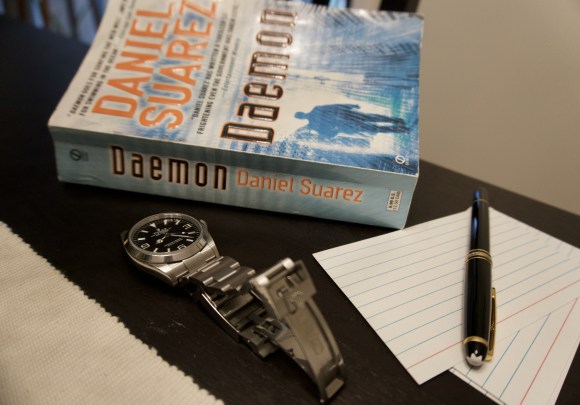
I liked this book. It was interesting from the start, and once it got moving, it held my attention. Daniel Suarez writes with enough clarity that even when the ideas get technical, the story never becomes confusing. The pace is strong, and the whole thing feels sharp and controlled.
What stands out now is that the book was clearly written in 2009, before the current AI explosion, but close enough to that shift that you can feel the direction things were already heading. Reading it now, it does not feel dated as much as it feels early. It sits right at the edge of something bigger that had not fully arrived yet.
The technical side of the book worked very well for me. I understood it clearly, and that made the story more believable, not less. For someone without that background, parts of it might feel like science fiction. For me, it did not. It felt like an extension of real systems, real vulnerabilities, and real possibilities.
That is probably what made the book effective. It is not fantasy dressed up as technology. It feels close enough to reality to be unsettling. I liked it because it was smart, technical, and grounded in a way that made the whole premise feel possible.
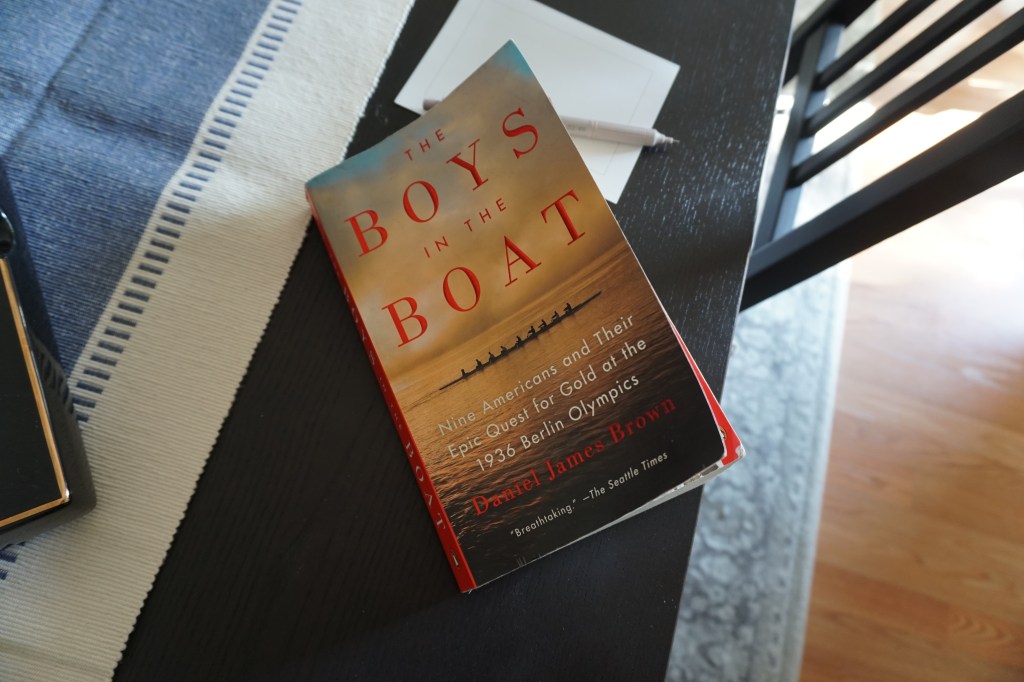
The Boys in the Boat completely pulled me in. From the first chapters, I was hooked. Daniel James Brown writes in a way that makes the story feel immediate and alive. You are not just reading about events, you are inside them. I had a hard time putting this book down, and it has been a long time since I felt that way while reading. What struck me most was how vividly Brown captures the 1930s United States. You can almost smell the air of the time. The economic depression, the uncertainty, the struggle to survive day to day, all of it feels real and heavy. The hardship is not romanticized, but it is never dull. It gives the story weight and meaning. The human side of the story is what really carries the book. The discipline, the sacrifice, and the quiet determination of the boys make their journey deeply compelling. Their triumph feels earned because you have lived through every setback with them. Nothing feels exaggerated or forced. The backdrop of the rise of the Nazis in Germany adds a powerful tension to the story. Brown does an excellent job showing how the Berlin Olympics were carefully staged, controlled, and used as propaganda. The scale, the organization, and the political intent behind the games are impossible to ignore. Against that setting, the American presence feels fragile and outmatched before it ever reaches the water. There is also something very American at the core of this story. Determination, grit, and the refusal to give up, even when the odds are stacked against you. These young men keep going when logic says they should stop. That spirit runs through every chapter and gives the book its quiet power. I really liked this book. More than that, it reminded me why I enjoy reading in the first place. It has been a long time since I read something this good. This is one of those books that stays with you after you finish the last page.
Quick note: I only realized afterward that these three albums came from three different decades. The 70s, the 80s, and the 90s. That was not intentional, but it feels right. Different sounds, different moments, all still present.
The Stranger by Billy Joel
What a masterpiece. Wow. Listening to The Stranger again reminded me how rare it is to find an album where every song feels essential. Nothing feels like filler. Each track has its own identity, yet everything fits together naturally. It is confident without being flashy and emotional without being dramatic. This album feels timeless in the truest sense. It does not belong to a specific decade or moment. It simply works. You can hear why it has endured for so long. It is one of those records that makes you stop and appreciate how hard it is to make something sound this effortless.
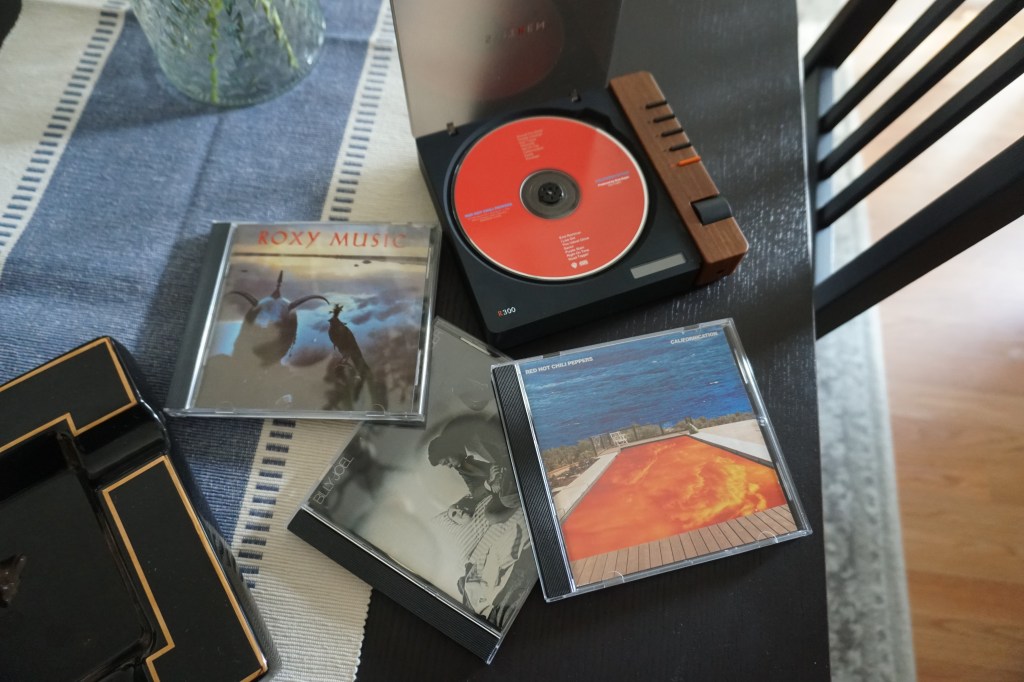
Avalon by Roxy Music
Wow. Avalon hit me in a way I did not expect. From the first moments, it pulled me into a very specific feeling. Smooth, slow, and atmospheric. Listening to it brought back memories of my first slow dance with a girl, a long time ago. Not the details, just the feeling. This album feels less like a collection of songs and more like a mood that lasts for forty minutes. It is subtle, restrained, and deeply emotional without ever being obvious about it. Avalon does not demand attention. It invites you in and lets the memories do the rest.
Californication by Red Hot Chili Peppers
What a great album. Californication still hits hard, especially because of when it was released. 1999 was a specific moment in life, and this record is tied to that time for me. It carries that late-nineties feeling of restlessness, reflection, and searching for meaning. Listening to it again, the album feels more thoughtful than I remembered. It is not just energy and hooks. There is a quiet sadness running through it. “Otherside” stands out as my anthem. It always has. This album does not just remind me of the past. It still speaks to where I am now.
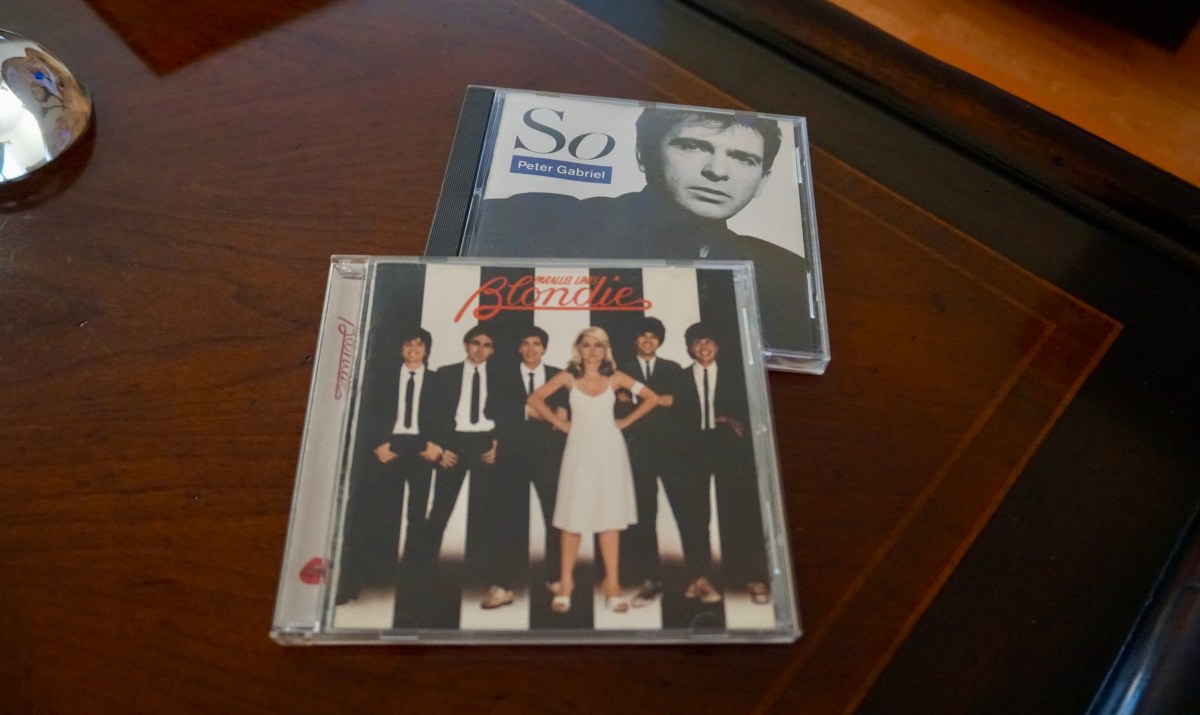
I know this album well. I first listened to it when I was a young lad, many moons ago, and it has stayed with me ever since. Listening to it again, front to back, on CD, reminded me why it still holds up. So feels deliberate. Every track has a purpose. Nothing feels rushed or accidental. Even the songs that have been overplayed still work when heard in context, surrounded by the rest of the album. The duet with Kate Bush, “Don’t Give Up,” still gives me goosebumps after all these years. This is not an album I needed to rediscover. It simply confirmed what I already knew. It is careful, confident, and timeless. Some albums age. This one settles in.
⸻
January Album 2 Parallel Lines by Blondie
Parallel Lines surprised me more than I expected. This album came out in 1978, and it still feels sharp. I knew the hits. Everyone does. What I had not done in a long time was listen to the entire album without skipping anything. Hearing it straight through made it clear how strong it is as a full record, not just a collection of singles. It moves fast, it is sharp, and it never overstays its welcome. There is a confidence here that feels effortless, even when the sound shifts from track to track. This album is fun, but it is not shallow. It knows exactly what it is doing.
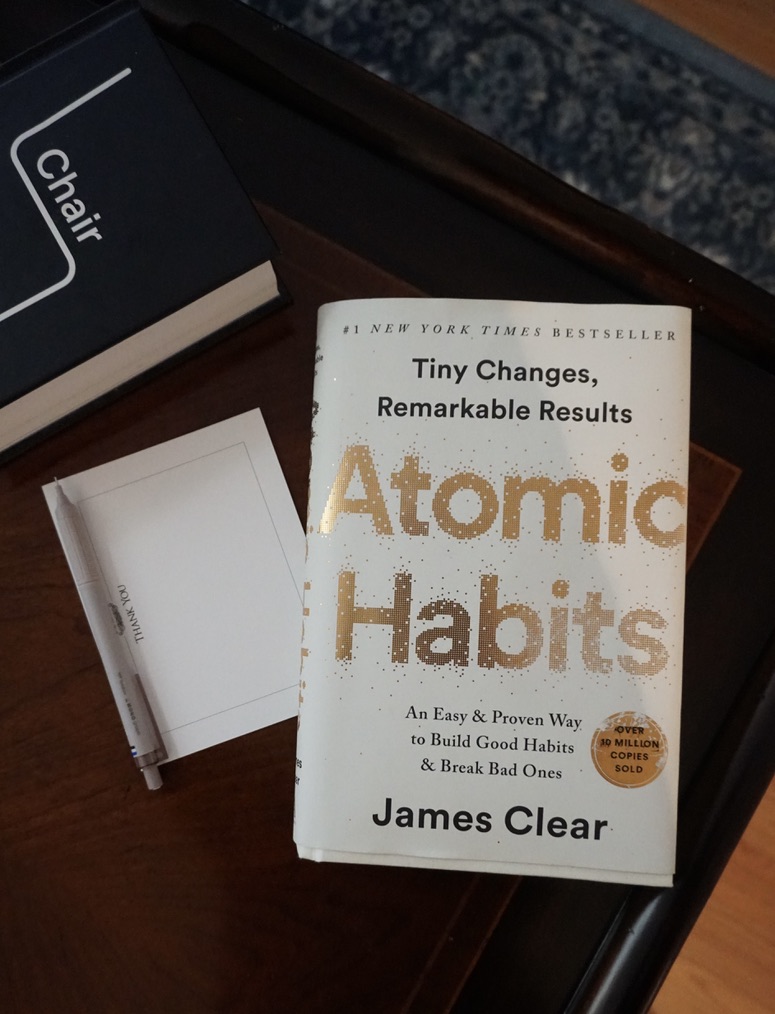
It felt almost inevitable to start this project with Atomic Habits. If you are going to begin a journal built around books and records and habits, why not start with the book that promises to show you how to build better ones. That was the logic. In reality, this book is not for me. I did not enjoy it. I understand why it resonates with so many people, but this entire category of self improvement books does not work for how I think or how I read. Nothing about it pulled me in, and very little stayed with me once I closed the cover. The only line that truly stuck came from Chapter 18, The Truth About Talent: “The secret of maximizing your odds of success is to choose the right field of competition.” That idea made sense to me. The rest did not.
I am not a literary critic. I am not a music critic. I am not trying to be either one.
What I write here will be honest and blunt. Sometimes generous, sometimes not. I will write about a book and an album as I experience them, not as they are supposed to be understood.
There will be no long explanations. No deep theory. Usually a paragraph or two at most.
These are not reviews meant to persuade anyone. They are simply my opinions, captured in the moment.
If you are confused about why this website and blog exist, the About page explains it.